

Cultural Groups and Traditional Practices Strengthened Through PAS Funding

Workshops, a festival, and a call for cultural projects are among the initiatives aimed at preserving culture and memory.
Maceió, March 19, 2026 - Cultural groups and communities surrounding the vacated areas are receiving support from Braskem through initiatives under the Socio-Urban Action Plan (PAS). Measures to preserve culture and memory include funding for stage production materials, hiring technical staff, transportation, performance fees, training activities, showcase events, product sales, project awards, and the documentation of intangible cultural heritage.
Initiatives include expanded structural support for 14 popular and Afro-Brazilian cultural groups, bringing together around 700 members, including dancers, who delivered 168 cultural performances in 2025. The program also supported traditional celebrations in five neighborhoods near the vacated area, along with workshop cycles that led to 380 sessions and trained approximately 600 community members. With pedagogical and technical guidance, these activities were led by 12 instructors and 6 local community facilitators.
Additionally, more than 100 projects focused on Popular and Afro-Brazilian Culture were selected through the "Cultura em Movimento" public call, with grants of up to BRL 30,800.000 depending on the category.
Beyond the numbers, this set of initiatives fosters engagement among Maceió residents, people who watch, celebrate, and feel part of each cultural expression. "Watching these performances is important so our children can learn about our diverse cultures," said pedagogy student Lais Fernandes.
Identity and Belonging
Concepts of identity and belonging come alive in the rhythmic footwork of Coco de Roda, the vibrant colors of Guerreiro, the devotional storytelling of Pastoril, the ancestral sounds of Afro-Brazilian traditions, and the poetic improvisation of Repente. Efforts focused on culture and memory help preserve knowledge, customs, traditions, beliefs, and values, contributing to the recovery of cultural identity and a sense of belonging-something built through the sharing of collective knowledge.
For Ivanaldo Silva, known as JR, leader of the Coco de Roda Pau de Arara group, popular cultural expressions carry history, identity, and memory. " Coco, for example, is an expression of our people that has been passed down through generations. Each performance educates, moves people emotionally, and strengthens our sense of belonging ," he adds.
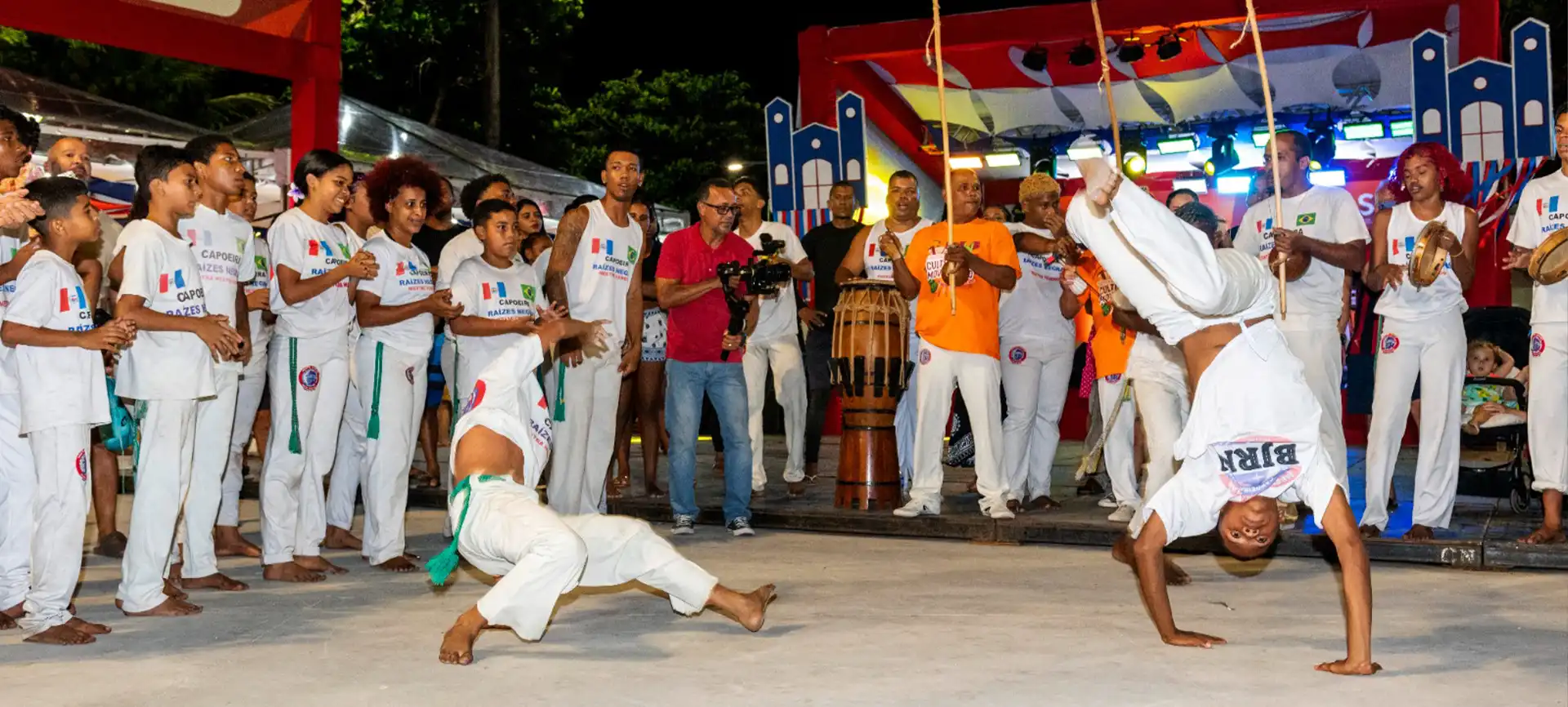
Coco de Roda Pau de Arara is one of the groups supported by the Cultural Support Program, which helps strengthen their structure and operations. All of these initiatives are tailored to meet the specific needs of each group, in line with the program's guidelines. In addition to Coco Pau de Arara , the program supports four other Coco de Roda groups, one Quadrilha Junina , two Guerreiro groups, two Pastoril groups, one Afoxé , two capoeira groups, and one improvisational poet (" repentista ").
Culture in the Communities
Beyond supporting cultural groups, the Cultural Support Program also helps organize a calendar of initiatives aimed at reviving traditional festivities in the neighborhoods of Chã da Jaqueira, Chã de Bebedouro, Bom Parto, Vila Saem, and Pinheiro.
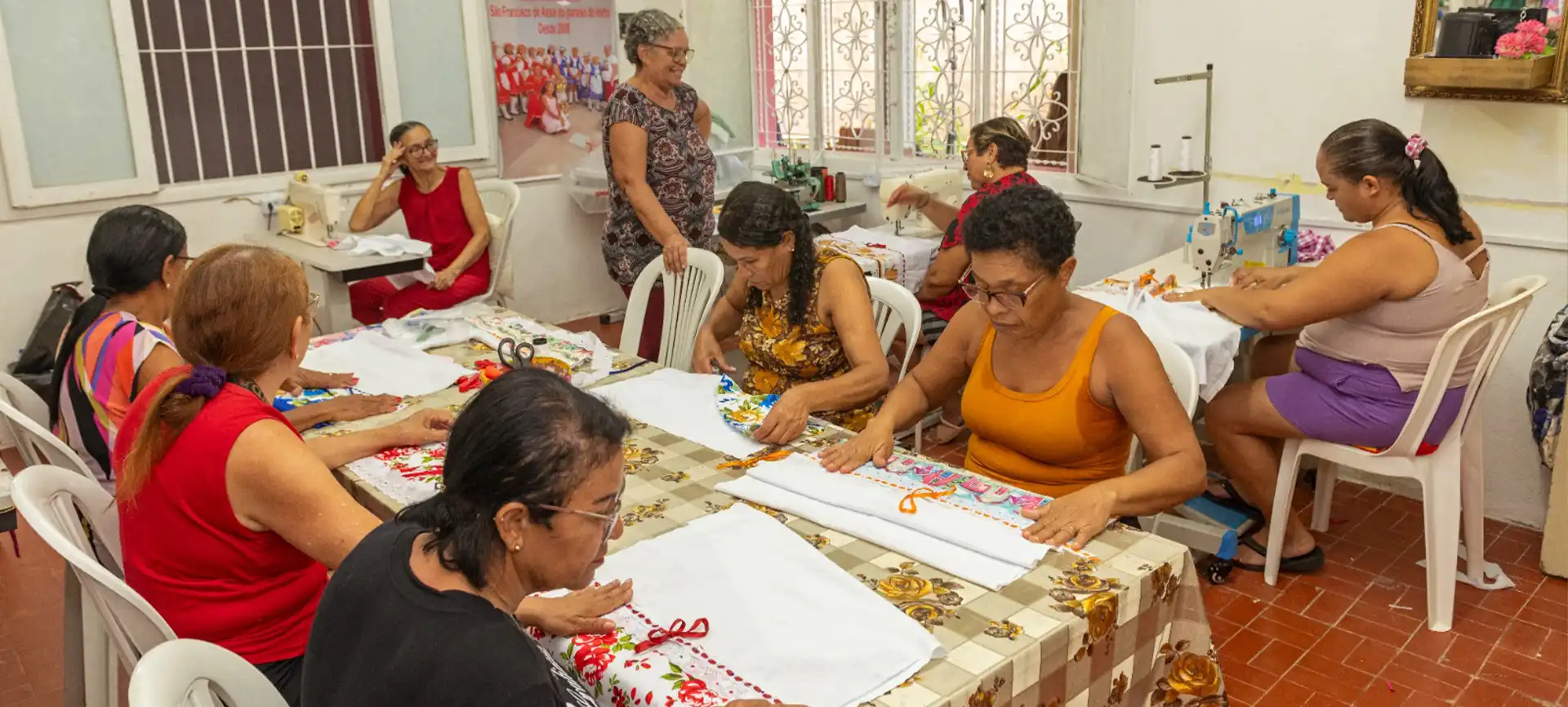
In 2025, the program included training activities such as workshops in cooking, crafts, and dance, among others, organized into three cycles: June Festivities, Children's Day, and Christmas. These activities culminated in festive showcases featuring dance performances, traditional folk expressions, and the sale of handmade goods and food. Each event drew approximately 400 attendees, generating income and strengthening community ties.
A major festival held in November 2025 brought the results of these workshops and the work of cultural groups to the Pajuçara waterfront. The Cultura em Movimento Festival lasted two days and turned one of the city's most vibrant event areas - the square next to the Ferris wheel - into a stage for traditional cultural expressions. Attendance reached approximately 500 people per day, including both locals and tourists.
Public Call for Projects
The Cultura em Movimento public call is another PAS initiative supporting cultural practitioners. Launched in November 2025, it will fund 104 projects focused on Popular and Afro-Brazilian Culture, including expressions such as Guerreiro , Pastoril , Teatro de Bonecos , Bumba Meu Boi , Maracatu , Capoeira , and Afoxé . Funding ranges from BRL 15,250 to BRL 30,800, depending on the project category as defined in the guidelines.
An Inventory of Intangible Cultural Heritage was also conducted by specialists from Fundepes/UFAL. This initiative identified cultural agents and traditional expressions through 318 interviews carried out as part of a cultural census, along with audiovisual documentation of 33 key cultural practitioners.
About PAS
The Social-Urban Action Plan stems from studies established under the Socio-Environmental Agreement, signed by the Federal Public Prosecutor's Office (MPF) and Braskem, with participation from the State Public Prosecutor's Office (MPE) and the Municipality of Maceió. It includes more than 40 initiatives, ranging from the construction or renovation of daycare centers, markets, public squares, and health units, to broader actions in the cultural, social, economic, and urban development fields. Some of the actions are executed by the company; others by Maceió's local government. The budget is BRL 198 million - adjusted annually.