
 EN
EN


With PAS Support, Guerreiro Groups Keep Their Cultural Legacy Alive

Groups upgrade rehearsal spaces, costumes, sound equipment, and musical instruments
Maceió, August 22, 2026 - On August 22, a day dedicated to celebrating Brazil's folk traditions, two Guerreiro groups with roots in Maceió's Chã da Jaqueira and Bebedouro neighborhoods have another reason to celebrate: the enduring legacy of their masters. Together, Guerreiro São Pedro Alagoano and Guerreiro Treme-Terra de Alagoas represent more than 50 years of a folk tradition recognized as Intangible Cultural Heritage of the State of Alagoas. Both groups receive support through the Cultural Support Program under the Socio-Urban Action Plan (PAS), which provides resources for improvements to facilities, equipment, and services.
Implemented under the Socio-Environmental Agreement signed by Braskem and the Federal Public Prosecutor's Office (MPF), with the participation of the Public Prosecutor's Office of the State of Alagoas (MPAL) and the Municipality of Maceió, PAS provides funding for new costumes, hats, and accessories; the purchase of sound equipment, musical instruments, and other items; and the hiring of services to meet each group's specific needs. In addition to receiving financial resources, the groups participate in training designed to help them develop their activities into sustainable ventures. Socioemotional support initiatives for performers are also planned for this year.
"When PAS supports Guerreiro groups and other expressions of Alagoas folk culture, it goes far beyond providing financial resources. We are supporting initiatives that preserve the memory and identity of cultural traditions from the evacuated neighborhoods. Every song, every trupé dance step, and every costume carries knowledge passed down through generations, and we are working to make sure that heritage is not lost," says Raineldes Melo, Braskem's Social Initiatives Manager.
A Cultural Icon
Guerreiro performers are known for costumes that incorporate symbols of faith, joy, belonging, and strength. One of the tradition's most distinctive features is its elaborate hats, covered in mirrors, ribbons, and colorful beads and designed to represent the churches favored by each group's master. The performances feature whistles, tambourines, accordions, clowns, queens, and the lively footwork characteristic of Guerreiro, a folk tradition that brings together elements of Reisado, Pastoril, Bumba-meu-boi, Caboclinhos, Chegança, Fandango, and other regional traditions found in folk plays and celebrations.
Found throughout both the state capital and communities across the interior of Alagoas, Guerreiro groups have become an iconic symbol of the state's folk culture. In Maceió, the tradition's church-shaped hats can be seen in giant sculptures as well as miniature souvenirs for visitors who want to take a little piece of Alagoas home with them.
São Pedro Alagoano
Founded in 1998 in the Chã da Jaqueira neighborhood by Mestre Juvenal Domingos - officially recognized as a Living Heritage of Alagoas - São Pedro Alagoano has revitalized its activities with support from PAS. The group purchased equipment and supplies including a new accordion, fabrics, accessories and other costume-making materials, as well as cabinets for storing its costumes.
The living room in the home of group coordinator Maria Helena da Silva, known as "Dona Marlene," has historically served as the group's rehearsal space. With PAS support, the room was repainted and renovated. "Seeing everything looking so nice brings me too much joy, because Guerreiro is my life," says the 75-year-old seamstress, who has participated in the tradition since she was nine.
Treme-Terra de Alagoas
Guerreiro Treme-Terra was founded in the 1980s in Chã de Bebedouro and is part of the cultural legacy of Mestre Benon, another artist recognized as a Living Heritage of Alagoas. The group was inactive from 2016, the year its founder died, until 2024, when Benon's son, Mestre Peitika, decided to carry on his father's legacy.
"Guerreiro was the treasure, the inheritance my father left me, and I need to pass on everything he taught me. That was his dream. But bringing Treme-Terra back wasn't easy. I faced a lot of challenges. We didn't have a place to perform or the money to buy costumes," Peitika recalls.
Today, Treme-Terra's 20 performers rehearse in a space provided by local government. With support from PAS, the group has also purchased an accordion, sound equipment, a wardrobe, and materials for making costumes and accessories. "The help came when we needed it most. I never imagined I'd be able to buy an accordion, and now I feel rich," the master joked.
Grande Poder
Guerreiro Grande Poder is a testament to the enduring legacy of the late Mestre Verdelinho, celebrated as one of the leading Coco performers and Guerreiro Mateus of his generation. The group was formed in 2023 and made its official public debut a year ago. Today, it has 27 members and is led by Mestre Nildo, Verdelinho's son. Nildo and his siblings formed "Os Verdelinhos" and have worked together since 2005 on cultural initiatives aimed at preserving their father's legacy.
Culture within the PAS
In addition to the Guerreiro groups, another 16 folk and Afro-Brazilian cultural groups will receive support through the Cultural Support Program by the end of the 2026 program cycle. This initiative also helps organize a calendar of initiatives aimed at reviving traditional festivities in the Chã da Jaqueira, Chã de Bebedouro, Bom Parto, Vila Saem, and Pinheiro neighborhoods.
Another PAS cultural initiative is currently underway through the Cultura em Movimento public call for projects, which selected more than 100 projects dedicated to folk and Afro-Brazilian cultural traditions. Updates on events are available on the @editalculturaemmovimento profile.
An Inventory of Intangible Cultural Heritage has also been completed. The initiative was conducted by specialists from Fundepes/UFAL and identified cultural practitioners and traditional cultural expressions associated with the vacated areas and their surroundings.
About PAS
The Social-Urban Action Plan is established under the Socio-Environmental Agreement, signed by the Federal Public Prosecutor's Office (MPF) and Braskem, with participation from the State Public Prosecutor's Office (MPAL) and the Municipality of Maceió. Initiatives include the construction or renovation of daycare centers, markets, public squares, and healthcare facilities, as well as measures in the Cultural social, economic, and urban development sectors. Some of these are implemented by Braskem, while others are carried out by the Maceió's local government. The program's updated budget, funded by Braskem, is BRL 260 million.
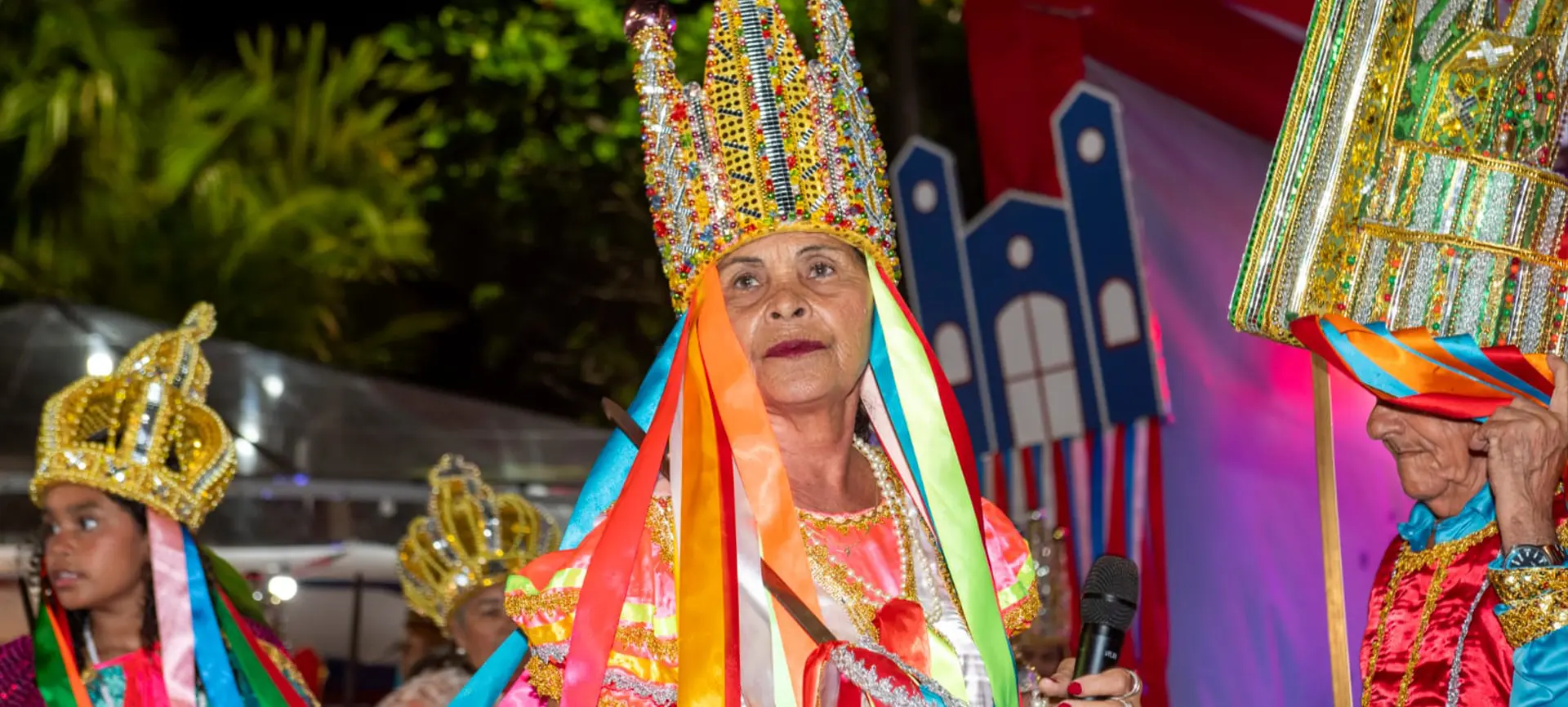
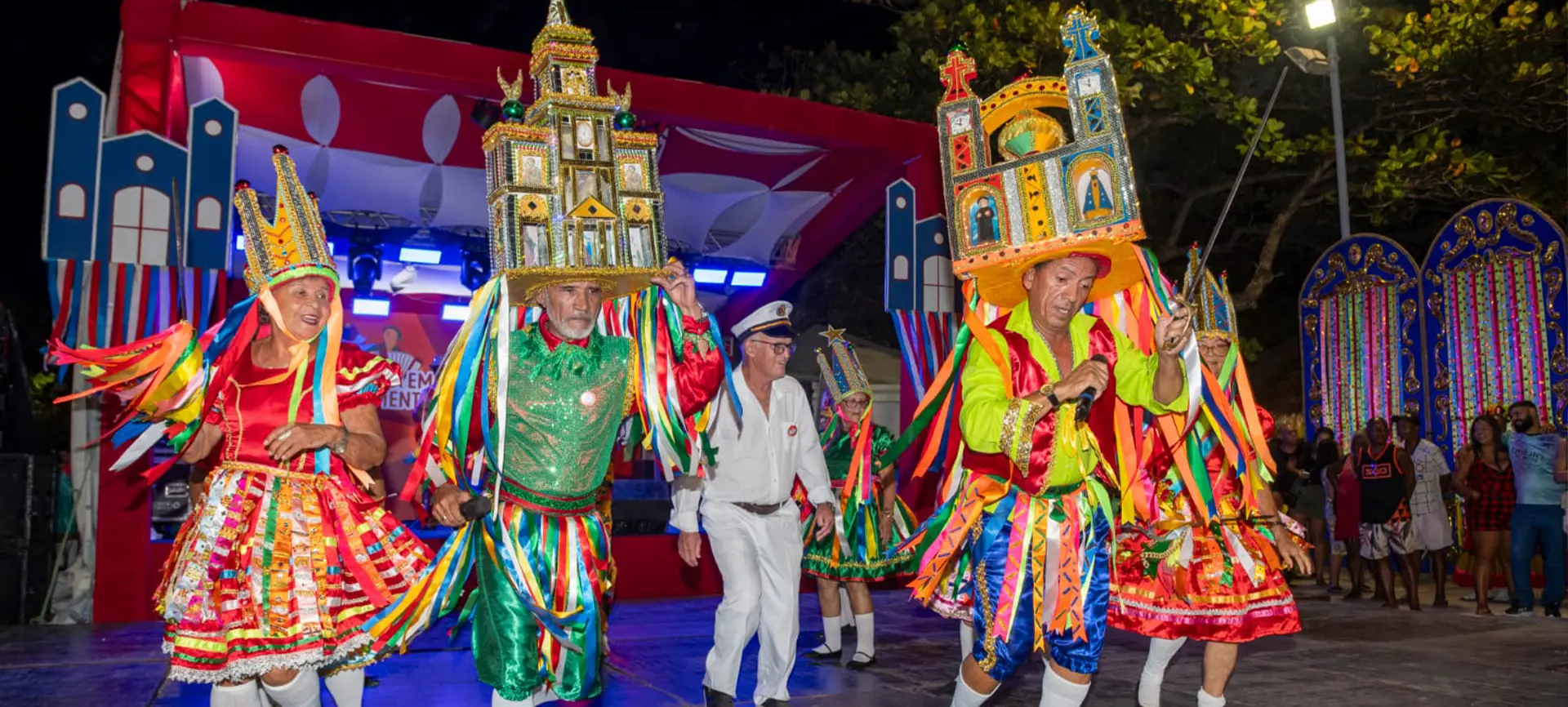
PHOTO CREDITS - Philipe Medeiros/Divulgação/Braskem