 EN
EN


Aflora Mangue to Plant More Than 60,000 Seedlings in the Santa Rita Environmental Protection Area
Braskem's environmental project will restore 25 hectares within the protected area; local residents are taking part in mangrove restoration efforts
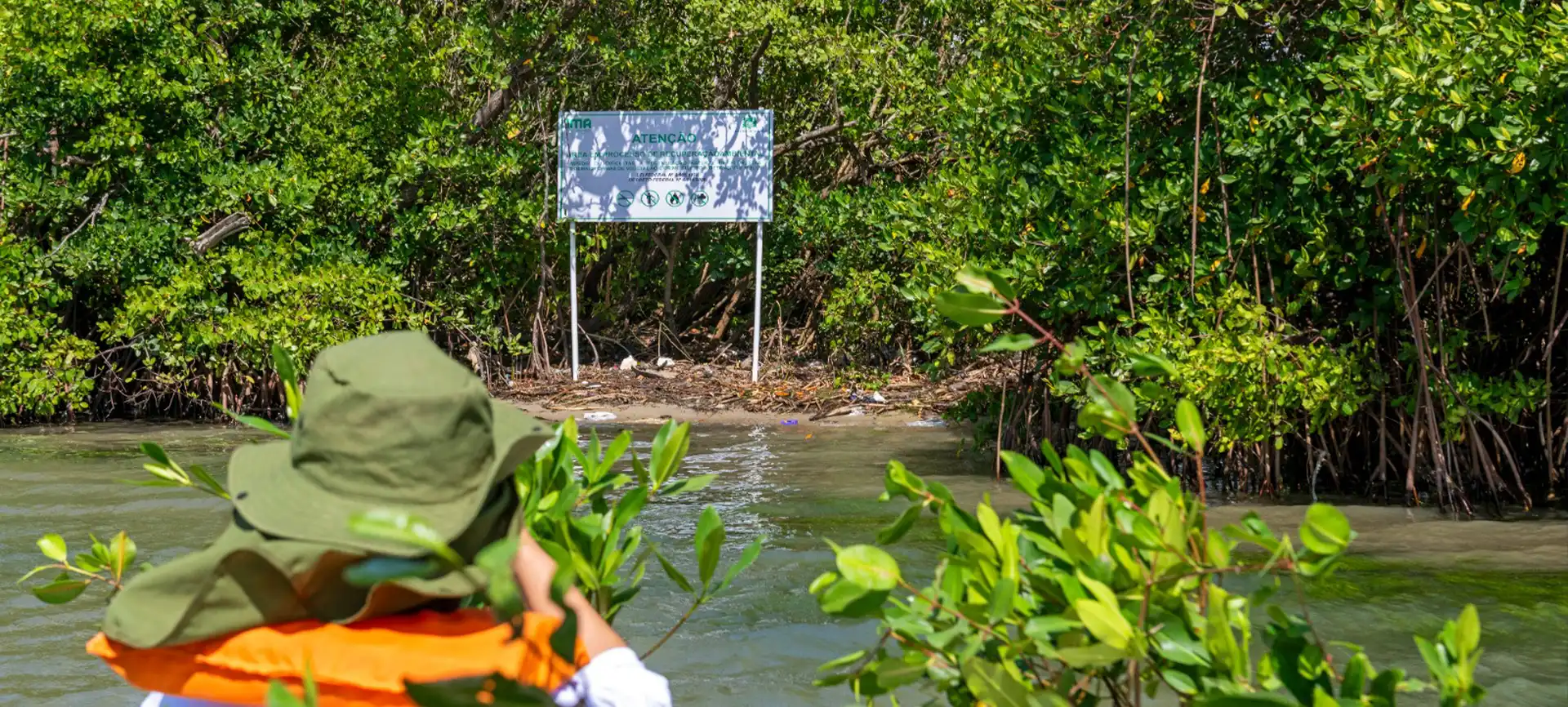
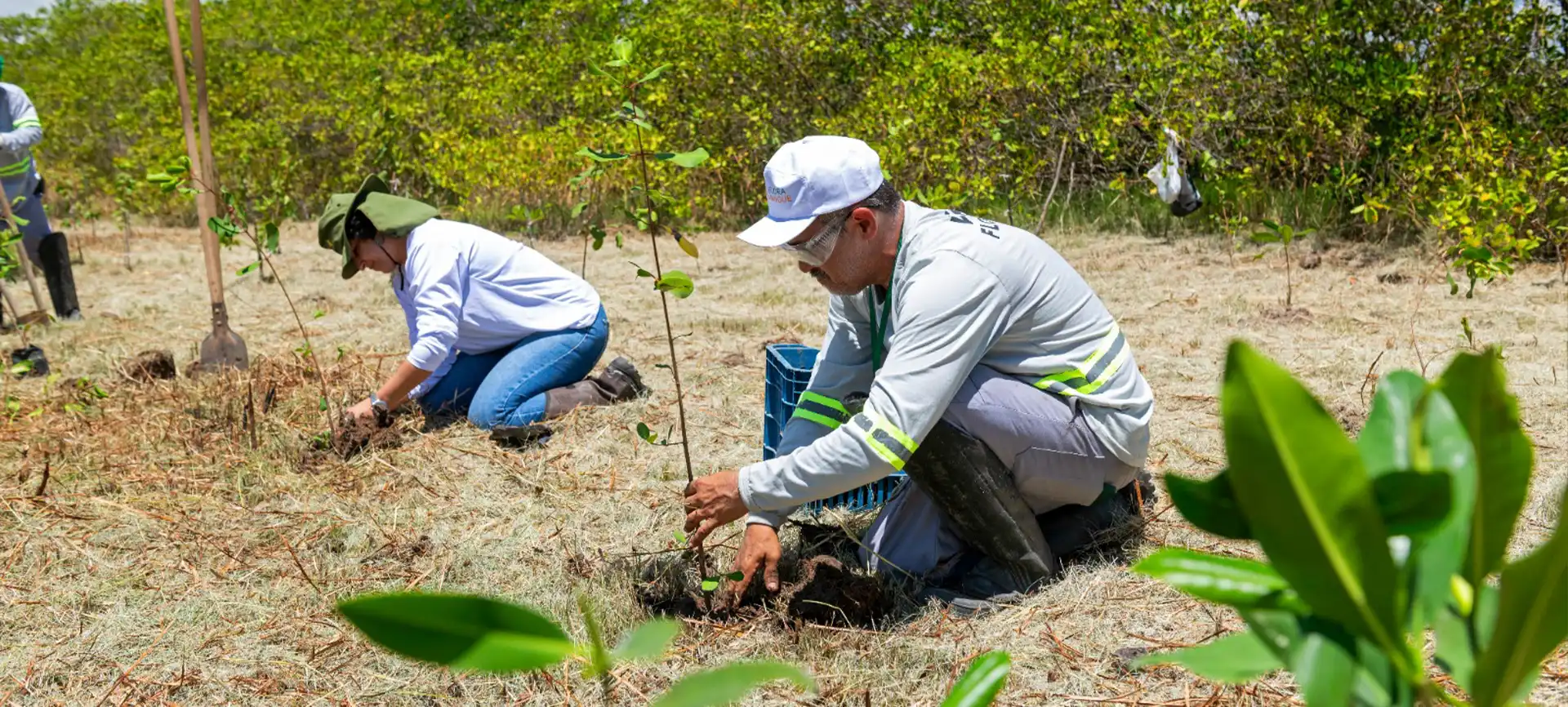
Maceió, June 10, 2026 - Aflora Mangue, Braskem's environmental restoration project, has begun a new planting phase covering 25 hectares - equivalent to 250,000 square meters - within the Santa Rita Environmental Protection Area (APA), located in the Mundaú-Manguaba Estuarine Lagoon Complex (CELMM). More than 60,000 red, black, and white mangrove seedlings will be planted in the area, with support from local workers. The project's overall goal is to restore a total of 47 hectares of mangrove forest. Approximately 4.2 hectares of mangroves have already been restored in the Santa Rita Environmental Protection Area, as well as in the Bom Parto and Flexal neighborhoods. In the latter two locations, wildlife associated with the mangrove ecosystem has already begun to return.
Activities within the protected area include site preparation, transportation of seedlings - grown in Aflora Mangue nurseries - planting, maintenance, and ongoing monitoring. During the initial phase, two boats operated by local residents were contracted to transport seedlings to the restoration sites. The project will also involve local community members in both the planting and monitoring stages of the restored areas.
To identify additional restoration sites, the project's technical team is surveying locations in other parts of Maceió, as well as in municipalities within the metropolitan region that are part of the CELMM, such as Pilar and Marechal Deodoro.
Aflora Mangue is an environmental compensation initiative implemented by Braskem and included in the Socio-Environmental Agreement signed in December 2020 between the Federal Public Prosecutor's Office and the Company, with participation from the Public Prosecutor's Office of the State of Alagoas and the Municipality of Maceió.
More Than 10,000 Seedlings Already Planted
Aflora Mangue has already carried out planting activities along the shores of Mundaú Lagoon and Silva Creek, in the Bom Parto and Flexal neighborhoods, and within the Santa Rita Environmental Protection Area. In Bom Parto, 3,525 native mangrove seedlings were planted across an area of 1.41 hectares. In Flexal, the project planted approximately 6,800 native mangrove and Atlantic Forest seedlings across roughly 1.67 hectares. Planting activities within the protected area have already covered 1.12 hectares.
After implementation, all restored areas continue to be monitored and maintained. During this phase, plant development is assessed using indicators such as height and stem diameter.
Mangroves are essential ecosystems for both aquatic and terrestrial wildlife. They serve as natural nurseries for many species and help protect the shores of rivers and lagoons from erosion.
Learn About the Different Types of Mangroves
The red mangrove zone is the area closest to the lagoon and remains submerged most of the time. This environment is characterized by large exposed roots, which are often mistaken for trunks.
The black mangrove is found slightly farther from the lagoon but is still directly influenced by tidal movements. In this zone, the soil is exposed during low tide and submerged during high tide. Sharp, twisted exposed roots are a defining characteristic of the vegetation in this area.
As for the white mangrove , it grows in the zone farthest from the lagoon and is submerged only during the highest tides. Its roots emerge from the soil in smaller numbers, and the species can be identified by the reddish stems that connect the leaves to the trunk.